Start Your AC Repair Request
Tell us what your system is doing and we will connect you with an independent local provider. Request an estimate anytime, with no obligation.
No obligationRequest an estimate today
When the air conditioner quits, most people just want to know what happens next. Significantterritory Heating & Air is a referral service, not a repair company. We connect Lancaster homeowners with independent HVAC service providers in our network. Below you will find a typical job timeline, notes on documenting damage, what the local climate does to equipment, and the questions that help you hire with confidence.
Every job is different, but many follow the same path:
Many providers can respond quickly, especially for emergency AC repair when a home gets dangerously warm. Request a callback to check provider availability in Lancaster.
Sometimes cooling trouble comes from a sudden event, like a power surge or storm damage to an outdoor unit. Some policies may cover sudden damage, but wear and tear usually is not included. Check your policy or ask your agent.
Providers can often help document damage for a claim. Helpful steps include:
Do not assume a claim will be approved. Ask your insurer what it needs before repairs start.
Hot, humid summers keep air conditioners running for months. Humidity makes the system work harder, and heavy downpours can flood outdoor units or overload drain lines. Storm season brings surges that stress control boards and motors.
Winters are mild, with only rare hard cold snaps, so many households use heating and cooling gear in the same week. A system with little downtime tends to need attention more often. If a furnace also acts up, ask the provider about it, or look into furnace replacement near me options while someone is already on site.
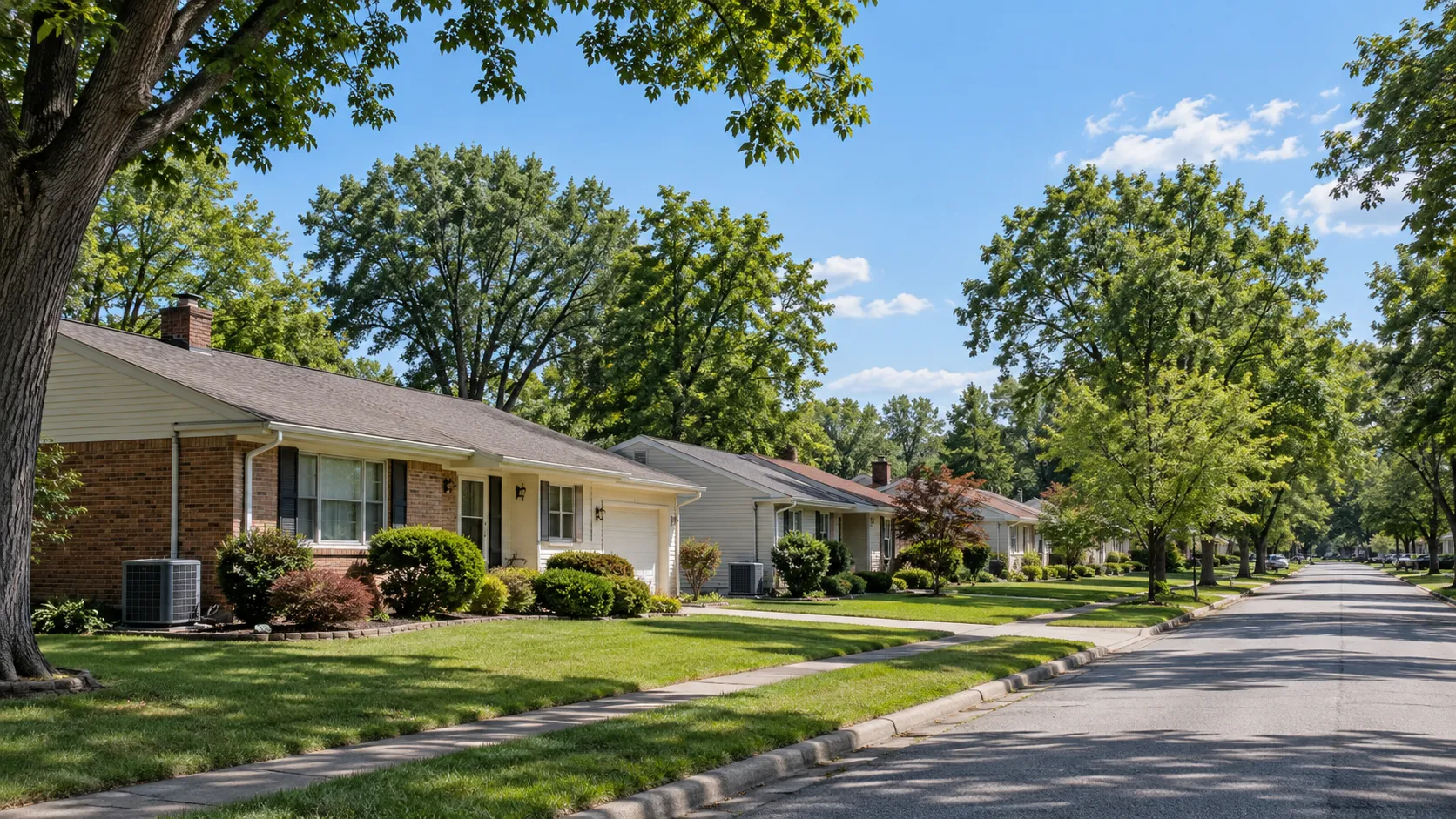
Slab-on-grade ranch homes are common in the region. Without a basement, equipment and ducts usually sit in the attic, which can get extremely hot in summer. Hot attics make ducts leak cooling and make the unit work harder.
Brick and vinyl siding homes hold heat differently, and some older pier-and-beam houses have ducts under the floor that are tricky to reach. Ask the provider what they see in your particular house, not just what they see on the unit.
A good answer sounds like a plain explanation with specific findings. A red flag is a quick verdict with no testing.
A provider who works around Lancaster knows how local summers treat equipment. Shorter drives can also mean quicker scheduling and easier follow-up if something is not right.
Before you hire, ask:
Watch for warning signs such as pressure to sign today, refusal to put prices in writing, or a request for full payment before work begins.
Request a callback to talk with a provider about these questions.
Prices depend on the problem, the equipment and the house. Typical U.S. ranges look like this:
Equipment age, refrigerant type, access to the unit and duct condition all move the number. Ask for a written quote and compare it with the explanation you were given.
Know your options, then decide at your own pace. When you are ready, request an estimate for your Lancaster home.
Knowing what a typical job looks like helps you plan, ask better questions and spot when something is off along the way.
Providers can often help document damage for a claim. Check your policy, since coverage varies by situation.
Providers who work nearby understand local summers, storm season and the common home styles, which can make scheduling and follow-up easier.
Ask for prices on paper and explanations in everyday words. Good providers are glad to give both without pressure.
Tell us what your system is doing and we will connect you with an independent local provider. Request an estimate anytime, with no obligation.
No obligationTell us what your system is doing and we will connect you with an independent local provider. Request an estimate anytime, with no obligation.
No obligation